





8 Tips For Good Sleep In Winter
It was that time again! The dreaded "Clock Change" weekend.
If you're anything like me twice a year you'll know that the clocks are changing but won't be entirely sure which way around it is. Fortunately this week we learnt a useful phrase to help us remember, which I rather like, which is "Spring Forward, Fall Back."
So on Saturday night we turned our clocks back one hour. (Which meant an extra hour in bed. Yay!)
The downside is that it's a moment which symbolises the beginnings of winter, and dictates that we’re all going to experience those dreaded darker mornings. Typically once the clocks have gone back, the sun will rise at 8:00am and start to set as early as 3:50pm. (Ouch!)
While the extra hour in bed is nice to have this weekend, it doesn't take long to drop back into bad old sleep habits, and that our quality of sleep can actually drop off over the winter months, because we're tempted to hibernate and the early beds and long lies can lay havoc with our sleep patterns.
To help you stay fresh and energised Dormeo has gathered some essential tips for coping with the on-coming winter mornings.
Our 8 Top Tips for Good Sleep in Winter
1. Keep a Regular Bedtime
Your body has a natural clock, and it suffers if its rhythm is tampered with. Try to keep a consistent bedtime. We all like to stay up later during the weekends, but this can wreak havoc with the body clock and have a knock-on effect to your Monday-morning wake-up. Don't abuse that "extra hour in bed" this weekend!
2. Steady Room Temperature
Keep it consistent. The advised room temperature for sleeping in is around 16c – 18ºc. Any warmer can lead to restlessness, and any cooler can make the thought of leaving your gorgeous cosy bed absolutely abhorrent.
3. Some Exercise
Exercise is vital for a good night’s sleep, and it can also help your morning wake-ups. A small amount of exercise, even if just stretching or doing basic exercise for 20 minutes, can help you wake up and make you feel refreshed and energised for the day ahead.
4. Curtain Twitching
Don't fully draw them. Allowing a small amount of natural light to seep through the curtains or blinds will allow you to wake up more naturally. Just be wary of having too much street lighting coming in as this may fool your body into thinking it's morning too soon.
5. Create a good sleep environment
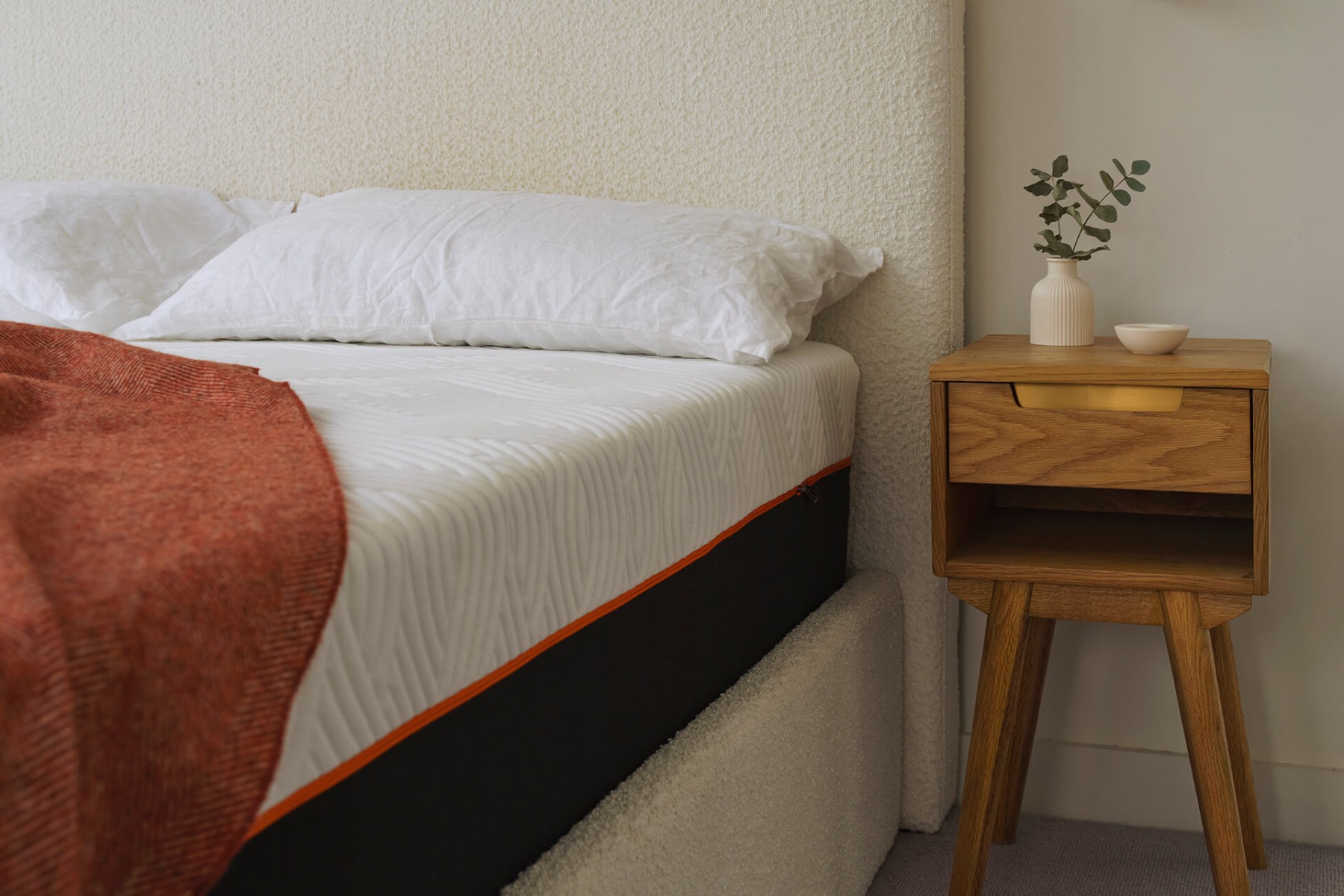
Good sleep helps you to wake up in the morning. Make sure you have a supportive, body-zoned and temperature-regulating mattress, the correct tog duvet, and practice good ‘sleep hygiene’ in your bedroom (eg hide the glowing lights from your electronic devices, keep the room airy...)
6. Use a good alarm clock
A good alarm clock can actually help you wake up in the morning. Some of the best on the market are ‘body clock’ or ‘dawn simulator’ alarm clocks. They include light technology that gently wakes you up by simulating the sun breaking. Waking up to ‘natural’ light can ease you into those dark mornings, rather than being jolted aloud by a sharp, electronic noise.
7. Resist the mammoth hibernating lie-in
Do try to resist the urge for mammoth lie-ins during the weekends. As with going to bed, waking up at a regular time helps your body get into a natural rhythm, and can stop you feeling groggy in the morning.
8. Coffee and Mornings
Go easy on the caffeine. It's so tempting isn't it - especially when it's dark and grey outside. You need that fix! But restricting the amount of caffeine you consume during the day will not only help you sleep better, it can also help you wake up in the morning. So, don’t cut it out altogether, but do try and limit how much you consume and at what time of day, and you will see a marked improvement on these dark winter mornings.
1 comments
Leave a Reply
Explore the hub
National Bed Month 2026: The Clinical Case for Sleep

Rejuvenation and Recycling with Dormeo

8 Tips to help you sleep better in #winter http://t.co/1kcsSgpuAb http://t.co/ireS6hQd0C